
Last updated October 8, 2026
Free written scope consultation - allowances, timeline, and change-order rules on paper before a single trade is scheduled





 Before
 After
After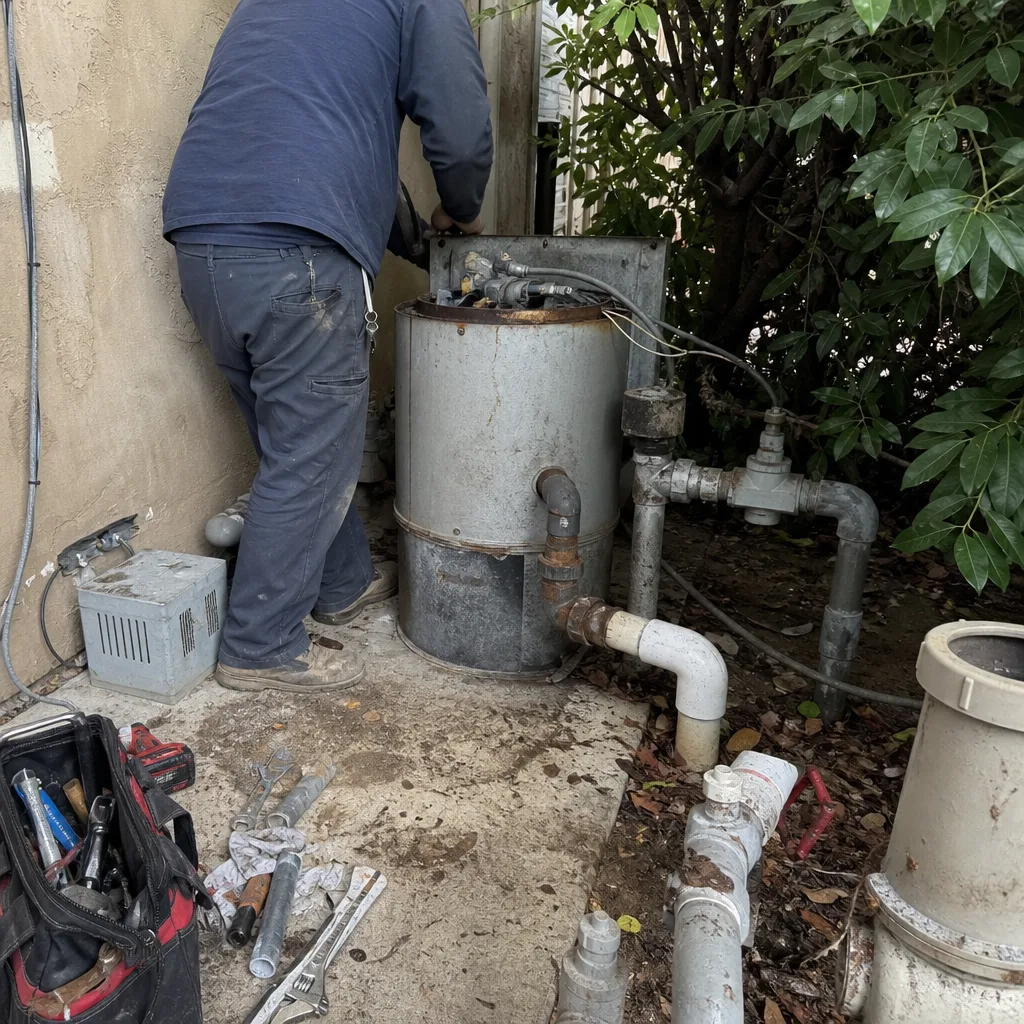 Before
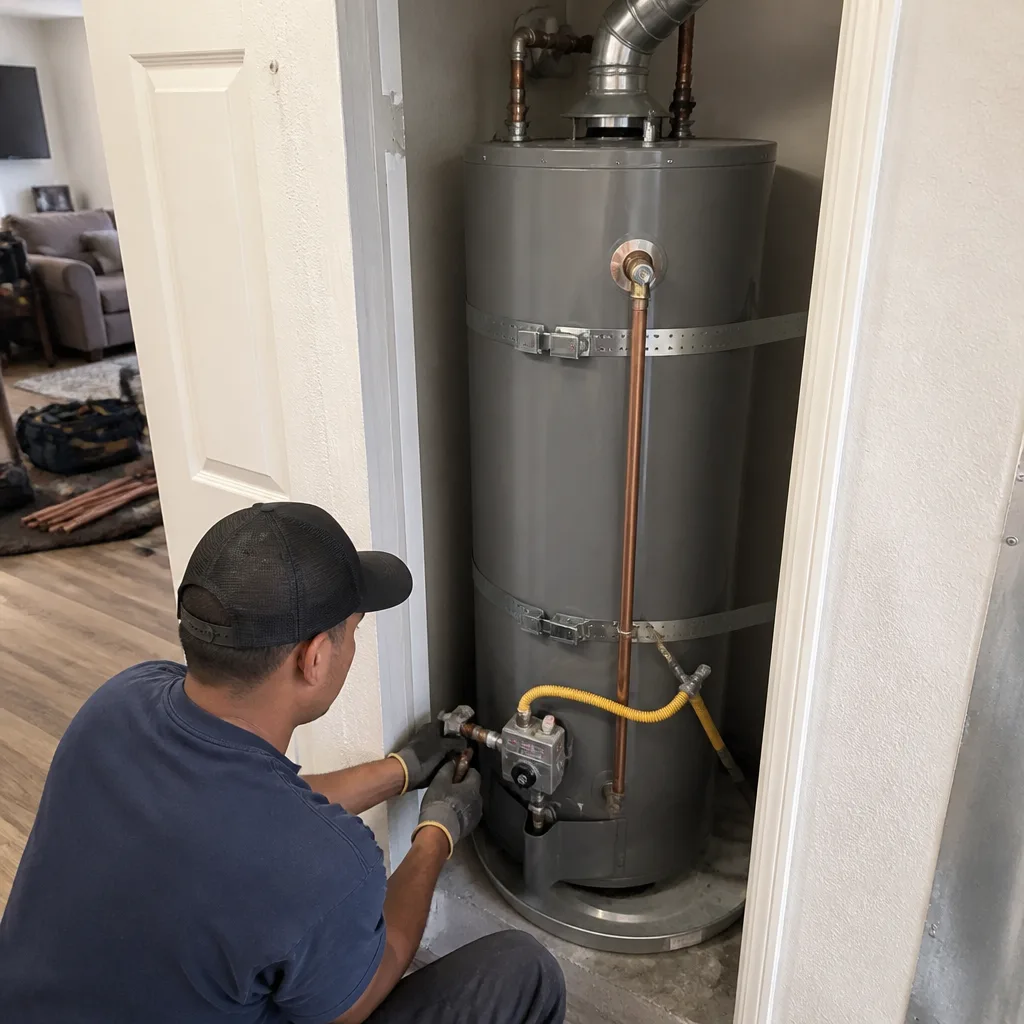 After
After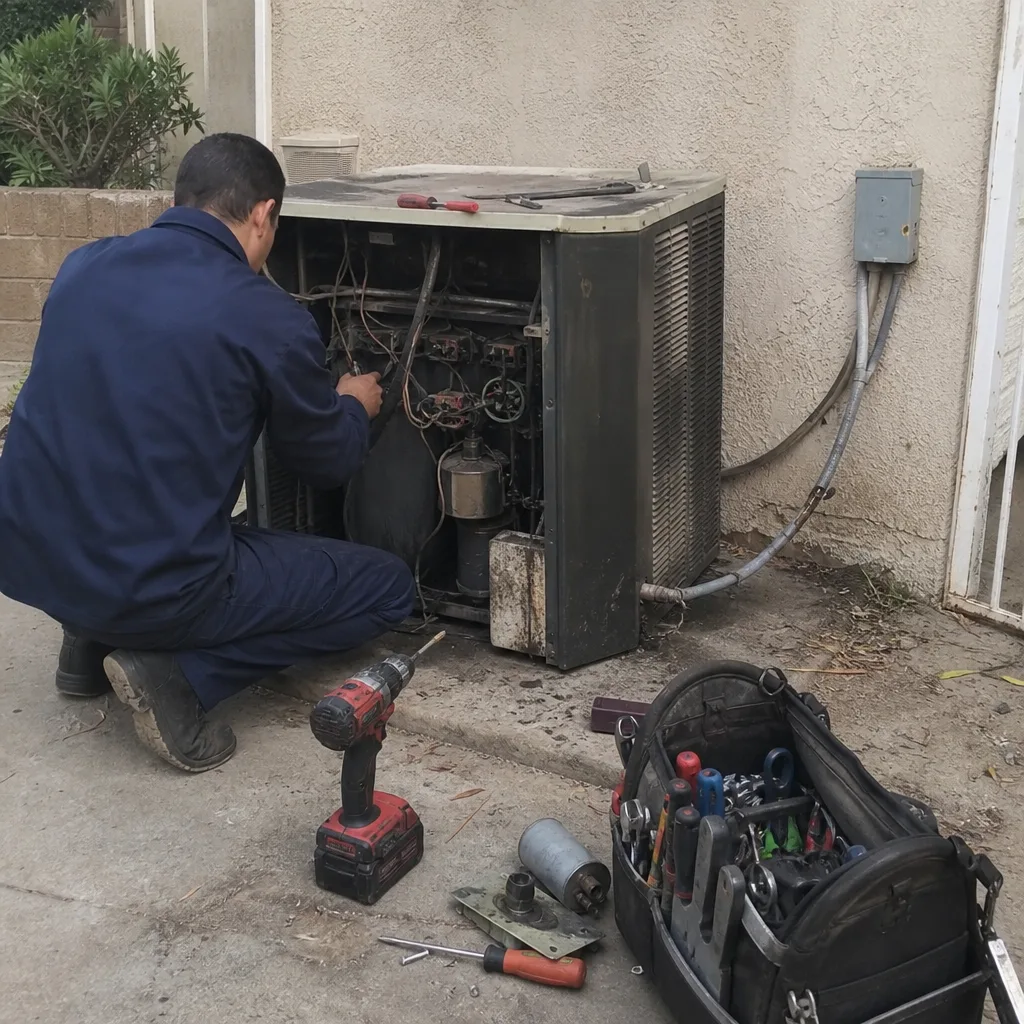 Before
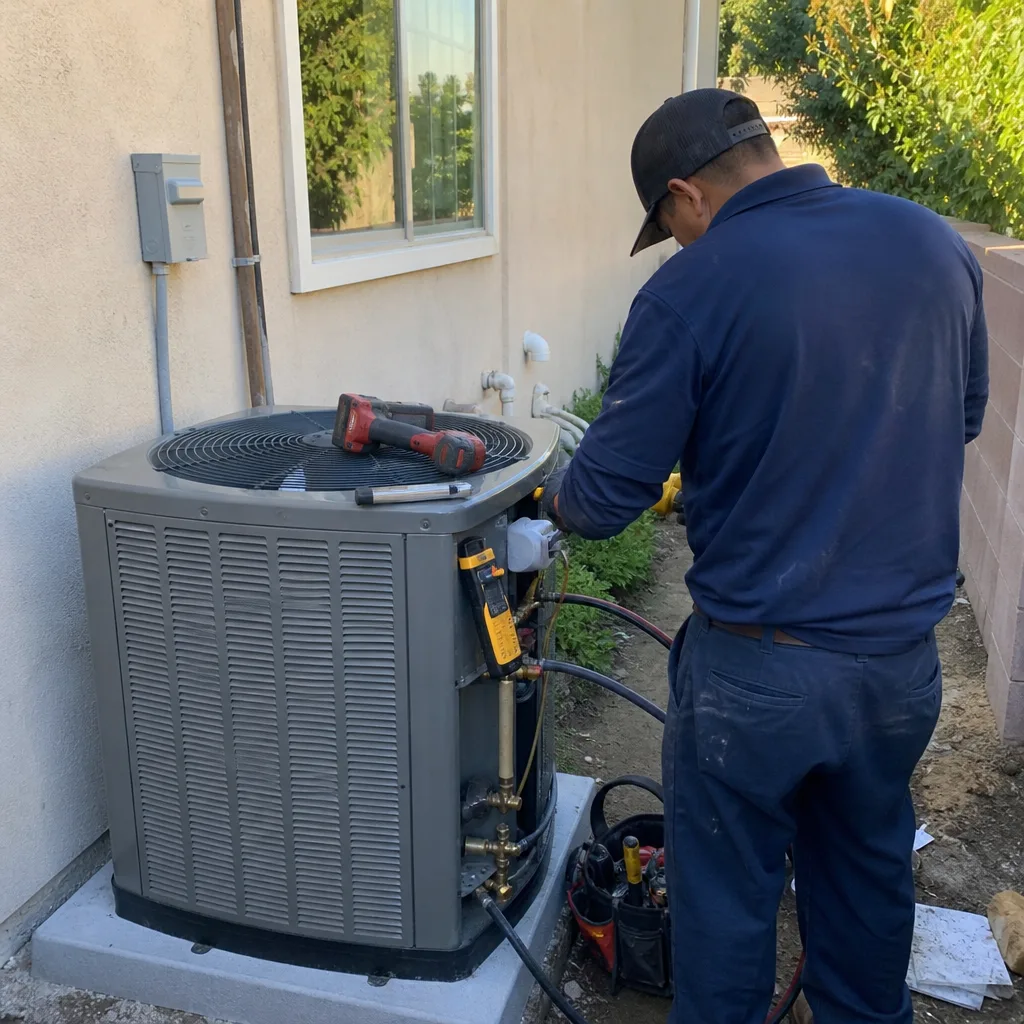 After
AfterSeasonal Construction Care for Los Angeles: Year-Round Homeowner’s Guide
October is the month most Los Angeles homeowners stop paying attention to their houses, right before the Santa Ana winds press every roof fastener, pack gutters with bone-dry debris, and drive embers into unscreened vents. We’ve walked through enough October inspections to know the pattern: a homeowner calls us about a kitchen remodel in November and we notice the same small cracks and gaps that will leak in February. This guide gives you the month-by-month construction care plan that actually fits Los Angeles, not a generic four-season checklist written for a house in Ohio. By the time you finish reading, you’ll know what to check before the winds arrive, what the rain does to stucco over time, and why fall is the most underrated season to schedule remodeling work in this city.
Quick Answer
Seasonal construction care in Los Angeles means preparing for four real weather events, not four calendar seasons: Santa Ana wind season (October through December), winter rain (January through March), summer heat stress (July through September), and the marine layer months (May and June). The highest-value tasks are a pre-Santa Ana exterior check, a post-rain stucco and drainage inspection, and flat-roof surface checks before summer heat arrives. Done consistently, this routine costs less than one emergency repair a year and extends the life of every exterior surface on your home.
Table of Contents
- The Real Los Angeles Seasonal Calendar
- Pre-Santa Ana Checklist: What to Inspect Before the Winds
- Post-Rain Inspection Priorities for Stucco Homes
- Summer Thermal Stress on Flat Roofs and Low-Slope Membranes
- Why Fall Is the Smartest Season to Start a Remodel in Los Angeles
- The Marine Layer Months: May and June Maintenance
- How Los Angeles Climate Affects Construction Materials
- Common Mistakes to Avoid
- When to Call a Professional
- Frequently Asked Questions
- The Bottom Line
The Real Los Angeles Seasonal Calendar
If you’ve lived in Los Angeles for more than a couple of years, you already know the standard four-season maintenance calendar doesn’t fit here. We don’t have a freeze-thaw cycle that heaves foundations. We don’t have a leaf-fall season that demands gutter cleaning in October. What we have instead are four distinct climate periods, each with its own construction-related task list, and each one arrives on a schedule you can set your watch to.
The Four Seasons Los Angeles Actually Has
- Santa Ana window (October through December): Dry offshore winds gusting 40 to 70 mph, relative humidity dropping into single digits, and airborne debris moving fast enough to damage vents, roofing, and fence attachment points. This is the season that exposes every weak fastener and every unscreened opening.
- Rainy season vulnerability period (January through March): The few inches of rain Los Angeles gets each year arrive in concentrated bursts. Older stucco homes, flat roofs, and any exterior surface with hairline cracking absorbs water during these storms and shows the damage weeks or months later.
- Summer heat-stress cycle (July through September): Flat roof membranes and low-slope surfaces expand and contract under direct sun and 90-plus-degree days. The failures start small: a seam lifting, a blister forming, a crack at a flashing point. By the time you see a ceiling stain, the damage is already done.
- Marine layer months (May and June): Coastal overcast keeps outdoor surfaces damp for weeks while the interior of the house stays dry. Wood trim, painted surfaces, and caulk lines degrade more in these months than during any other period, simply because the moisture never fully dries out.
The practical takeaway is simple: you don’t need a generic spring and fall checklist. You need four targeted inspection routines, each timed to one of these climate events. A homeowner who checks roof fasteners in early October and flat-roof seams in late June has covered most of what actually goes wrong in Los Angeles homes.
Pre-Santa Ana Checklist: What to Inspect Before the Winds
The first Santa Ana event of the year is usually the most damaging, because it hits after months of calm weather that let small problems sit unnoticed. A vent screen that rusted through in March has been waiting nine months for a wind event to test it. A fence post that was loose in May has had all summer to weaken further. The time to walk your exterior is early October, before the first red flag warning of the season.
Five-Point Exterior Walkthrough for Early October
- Check every roof vent and attic screen. Ember intrusion during a Santa Ana event is the leading cause of wind-driven structure fires in residential neighborhoods. Walk the perimeter of your home and look at each vent: gable vents, eave vents, foundation vents, and any screen covering a crawlspace opening. The mesh should be 1/8-inch or finer and fully seated in its frame. Any rust, sag, or gap is a fire entry point. This is a construction-level fix, not a handyman job: replacing a gable vent properly requires removing the surrounding trim and resealing the penetration.
- Look at your roof deck from the ground with binoculars. You’re checking for lifted shingles, exposed nail heads, and debris accumulated against the roofline. Santa Ana winds blow from the northeast, which means the north and east roof faces take the most punishment. If you see a shingle edge lifted more than an eighth of an inch, the wind will work on it all season. Roof repairs are not a task to defer: the cost of replacing a few shingles in October is a fraction of the cost of repairing a water-damaged ceiling after a January rainstorm hits the same opening.
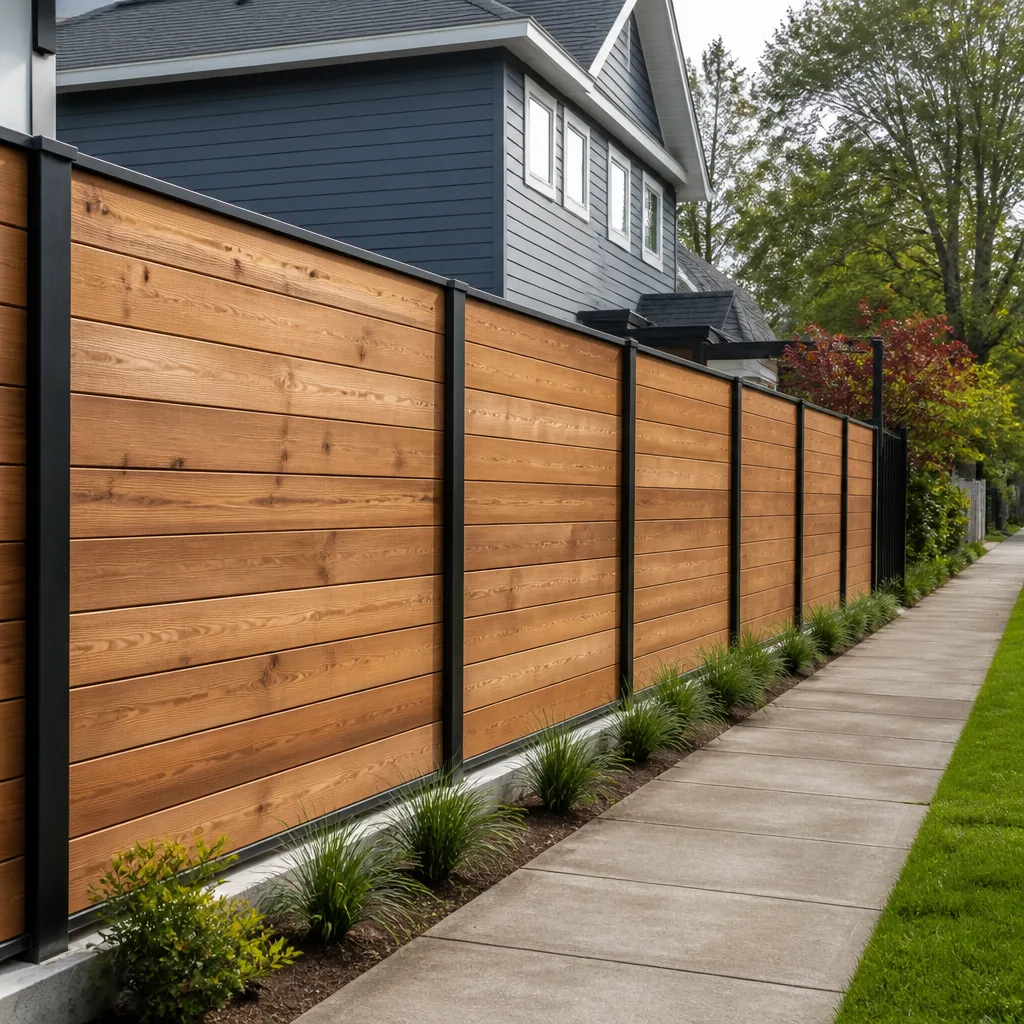
- Inspect fence attachment points. Wood fences standing between your home and an open canyon or ridgeline take the full force of Santa Ana gusts. The weak point is usually where the fence panel attaches to the post. Walk your fence line and press on each panel. Movement of more than half an inch at the attachment means the fasteners are working loose. Tightening loose fasteners now prevents the fence from becoming airborne debris in a wind event.
- Clear defensible space items that cross into construction territory. The standard fire-safety guidance tells you to keep the first five feet around your home clear of combustible material. But the construction-specific version goes further: check the gap where your deck meets the house, the crawlspace screen, and any point where debris can collect against a stucco wall. Leaf litter packed against a stucco surface holds moisture against the wall during rain season, and dry debris against a wall during fire season is an ignition source. Both problems start in October.
- Check exterior caulk lines around windows and doors. Santa Ana winds are remarkably good at finding gaps. A bead of caulk that’s dried and cracked around a window frame lets wind-driven dust and, later, rain penetrate the wall cavity. This is a 20-minute fix with a tube of exterior-grade caulk and a caulking gun, and it’s one of the cheapest preventive measures on this list.
If this walkthrough turns up vent replacements, roof repairs, or fence work, October is a good time to schedule it. The work gets done before the wind season peaks, and the contractor you call in October is typically less backlogged than the one you’d call after the first storm does real damage.
Post-Rain Inspection Priorities for Stucco Homes
Stucco is the most common exterior finish on Los Angeles homes built before 1990, and it fails in a way that surprises homeowners who are new to the material. Stucco is porous by design. It absorbs water during rain, holds it, and releases it slowly through evaporation. The damage doesn’t show up during the storm. It shows up weeks or months later, as efflorescence (white mineral staining), hairline cracks that widen, or paint that starts bubbling off the surface. This is why post-rain stucco inspections matter more than the inspection you do before the rain arrives.
What to Look for on Stucco Exteriors After Rain
- Staining that appears on the wall below a window or roofline. This usually means water is getting behind the stucco at a penetration point and draining down inside the wall cavity. The stain is the watermark; the actual problem is higher up.
- Hairline cracks that have widened since last season. Stucco cracks in predictable patterns: diagonal cracks from window corners, vertical cracks at control joints, horizontal cracks at the line where a wall meets a roof. A crack wider than 1/16 inch is a moisture entry point, and a crack that’s grown since the last rain season is a sign of ongoing movement behind the stucco.
- Efflorescence, which is the white chalky deposit left behind when water evaporates from the surface. It’s not structural damage by itself, but it tells you exactly where water is moving through the wall. If you see new efflorescence after a rain, trace it upward to find the entry point.
- Bubbling or peeling paint, which means water is trapped between the paint film and the stucco. By the time paint bubbles, the stucco underneath has been repeatedly wetted. The repair is more involved than a repaint, because the damaged stucco has to be cut out, re-floated, and allowed to cure before painting.
Why Stucco Repair Costs Escalate Fast
A small stucco crack patched with masonry caulk costs under $100. A water-damaged wall cavity behind stucco involves removing the stucco, repairing or replacing the substrate, re-floating the surface, and repainting. That’s a $2,500 to $6,000 repair on a typical Los Angeles home, and it usually comes with the discovery of additional damage once the wall is open. The lesson from dozens of these inspections is simple: catch stucco cracks when they’re hairline cracks, not when the paint is bubbling. Your March inspection matters, because the rain has already done its work by March.
If you’re planning a remodel that involves any stucco surface, this is also the right time to note that a general contractor in Los Angeles who’s inspecting your home for a remodel will spot stucco issues during the planning phase, before they become a structural problem.
Summer Thermal Stress on Flat Roofs and Low-Slope Membranes
Flat roofs and low-slope roofs are everywhere in Los Angeles, especially in mid-century modern homes and the post-war ranch houses that fill the San Fernando Valley and the Westside flats. The roof surface on these homes is not shingles: it’s a membrane, typically modified bitumen, built-up roofing, or a single-ply material like TPO. These membranes fail from thermal stress, not from rain. The cycle is predictable: the membrane heats up under direct sun, expands, cools at night, contracts, and over thousands of cycles the seams begin to separate and the surface begins to crack. Summer is when this damage accumulates.
What to Check on a Flat Roof in Late June
- Walk the roof (if it’s safe to access) or view it from a second-story window and look for visible seams lifting. A membrane seam that’s lifted even a quarter inch is a water entry point. The first Santa Ana wind of the fall will peel it further.
- Look for blisters and bubbles in the membrane surface. Blisters form when moisture trapped beneath the membrane expands under heat. A blister that’s still sealed is a warning; a blister that’s cracked open is an active leak.
- Inspect the flashing at roof penetrations: vents, skylights, HVAC units, plumbing vents. The majority of flat-roof leaks in Los Angeles start at a penetration point, not in the field of the roof. Check the sealant around each penetration for cracking or separation.
- Check the drainage path. Flat roofs are never perfectly flat. They’re pitched just enough to drain to scuppers or roof drains. Debris accumulating against a scupper or drain backs water up against the membrane, which accelerates failure. Clear the drains and note whether water ponds anywhere after a rain.
- Look at the interior ceiling beneath the roof for water stains. By the time a ceiling stain appears, the membrane has been leaking for weeks or months. The goal of summer inspection is to find the problem before it becomes an interior issue, because interior repair means drywall, paint, and possibly insulation replacement on top of the roof repair.
A flat-roof inspection is one of the tasks where the stakes justify professional involvement. Roof membranes are not forgiving of amateur repairs, and a coating applied to a failing membrane just seals the water in. If you’re seeing multiple blisters, lifting seams, or cracking at penetrations, call a roofing professional. If the roof is part of a larger project, a Penhallow Remodeling home consult will include it in the overall scope rather than treating it as a separate afterthought.
Why Fall Is the Smartest Season to Start a Remodel in Los Angeles
Most homeowners schedule remodeling work in the spring, aiming to have the project done before summer. The problem is that everyone else in Los Angeles is doing exactly the same thing. Fall is the counterintuitive best season to start a kitchen or bathroom remodel, and the reasons are specific to how construction actually works in this city.
Four Reasons Q4 Project Starts Work Better in Los Angeles
- Permit backlogs are shorter. The Los Angeles Department of Building and Safety processes permits year-round, but the application volume drops in the fall as the spring rush tapers off. A permit that takes six weeks in April can take three weeks in October. That’s three weeks of the project schedule you get back just by starting at the right time.
- Trade crews have better availability. The best cabinet installers, tile setters, and finish carpenters in Los Angeles are booked solid through the spring and summer. By October, their calendars open up. The crew you get in October is the same crew that was working on three projects simultaneously in June, now focused on yours.
- Material lead times align better. Custom cabinetry, specialty tile, and stone countertops all have lead times that stretch in the spring. By fall, the mills and fabricators have worked through their backlog. A kitchen remodeling project in Los Angeles that starts in October can have cabinets delivered in six weeks instead of twelve.
- The weather cooperates. Fall in Los Angeles is dry and mild, which is ideal for any work that involves opening walls, setting tile, or applying finishes. Paint cures better in 70-degree weather than in 95-degree heat. Thinset sets more predictably. Exterior work has a wider window of dry days.
The catch is that fall is not the busy season for a reason: most homeowners don’t think about remodeling until the holidays make them aware of their cramped kitchen, or until the rain reveals the leak in the bathroom. By then, it’s January, and the cycle repeats. If you’ve been thinking about a remodel, the best time to call is October, before the seasonal rush starts, and our Bathroom Remodeling Warning Signs Every Homeowner Should Know can help you decide if it’s time.
The Marine Layer Months: May and June Maintenance
May and June in Los Angeles coastal neighborhoods bring the marine layer: low overcast that lingers until mid-morning or later, keeping surfaces damp for weeks while the inland areas are already drying out. This is the season when paint fails, caulk breaks down, and wood trim swells. It’s also the season most homeowners skip, because nothing dramatic is happening. The damage is slow and cumulative.
What the Marine Layer Does to Your Home’s Exterior
- Caulk and sealant degrade faster in constant moisture. The bead around your windows and doors absorbs moisture from the air, then dries partially when the sun finally burns through, then absorbs again. Each cycle weakens the bond to the substrate. By July, the caulk is cracked and ready to fail.
- Wood trim and painted surfaces hold moisture against fasteners. Over years, this causes the fastener heads to rust, the wood to soften, and the paint to peel in large sheets. Homes in Santa Monica, Venice, and the Palisades typically need exterior painting sooner than homes in Sherman Oaks or Pasadena, purely because of the marine layer exposure.
- Mold and mildew find footing in shaded exterior corners. North-facing walls under trees stay damp through the entire marine layer season. The spores are always present; the moisture gives them a surface to grow on. Cleaning these surfaces matters before they spread to window frames and door casings.
The May Walkaround
- Walk the exterior and press on window and door caulk lines. Cracked, loose, or missing caulk is a May fix, not an October discovery.
- Check north-facing walls and shaded areas for green or black staining. Clean with a soft brush and mild detergent if caught early.
- Inspect exterior wood trim for soft spots. Press a screwdriver into any area that looks questionable. Soft wood means water damage has already started, and the repair is now, not next year.
- If you have questions about whether a repair is worth doing yourself, this is a good time to compare notes with a contractor. A bathroom remodeling project in Los Angeles often starts with an exterior repair conversation, because water entering a wall from the outside ends up in a bathroom ceiling eventually.
How Los Angeles Climate Affects Construction Materials
Material selection in Los Angeles is driven by three conditions that don’t exist in most of the country: intense UV exposure for eight months a year, extreme dryness punctuated by short wet periods, and a temperature swing between day and night that stresses every joint and seam. These conditions mean some materials perform better here than their national reputation suggests, and some fail faster than you’d expect.
Materials That Thrive in Los Angeles
- Fiber cement siding, specifically James Hardie products. It handles UV exposure without fading, doesn’t absorb moisture during the marine layer months, and doesn’t provide food for termites – which are a year-round concern in Los Angeles, not a seasonal one.
- Quartz countertops, including Cambria, Silestone, and Caesarstone. Quartz resists the UV fading that affects some solid-surface materials, and it doesn’t need the annual sealing that granite requires. In a kitchen that gets direct afternoon sun, quartz is the material that looks the same five years later.
- Porcelain tile for exterior and interior surfaces. Porcelain’s low moisture absorption rate matters in a climate that alternates between marine-layer dampness and Santa Ana dryness. It doesn’t crack from the moisture cycling, and it doesn’t fade in direct sun.
Materials That Struggle in Los Angeles
- Untreated wood siding and trim. The dry-season/wet-season cycling dries wood out, opens the grain, and then lets moisture in. Untreated wood needs year-round maintenance in Los Angeles that most homeowners won’t or can’t provide.
- Low-quality caulk and sealant. The temperature cycling from 50-degree nights to 90-degree days is a torture test for sealants. We only spec exterior caulk lines with commercial-grade products, because the consumer-grade versions at the home store are usually done after one Los Angeles summer.
- Thin single-ply roof membranes without reinforced seams. The thermal stress on a Los Angeles flat roof is relentless. A membrane that would last 20 years in a milder climate can show seam failure in 12 to 15 years here.
When we spec materials for a remodel, the question is never “what’s the most popular material” but “what’s the material that survives this specific climate.” In our experience with Los Angeles homes over the years, the difference between a five-year remodel and a twenty-year remodel is usually material selection at the start, not workmanship at the end.
Common Mistakes to Avoid
- Following a national seasonal maintenance calendar. A checklist built for New England tells you to winterize pipes in October. Los Angeles doesn’t have that problem. Use a calendar built around Santa Anas, rain, heat stress, and the marine layer, not around a four-season template that doesn’t apply.
- Waiting until the first storm to check the roof. By the time rain is falling, every pre-existing gap is already leaking. The inspection needs to happen before the season, not during it. October roof checks catch the problem that January rain exposes.
- Ignoring small stucco cracks because they “don’t look like a big deal.” A hairline crack is a moisture entry point. Water entering a stucco wall through a crack you could have patched in 20 minutes becomes a two-week repair once the wall cavity is saturated. Los Angeles stucco homes are particularly vulnerable because the dry-wet cycling makes existing cracks widen faster.
- Painting over failing exterior surfaces without fixing the substrate. Paint seals moisture in as effectively as it keeps moisture out. If the stucco or wood beneath is compromised, painting over it just locks the water in and accelerates the failure.
- Scheduling remodels for spring without checking material lead times. The homeowner who starts planning in March is usually fighting for cabinet slots, countertop fabrication appointments, and crew availability during the busiest construction season of the year. The homeowner who starts in October has leverage.
- Not pulling permits because the work seems minor. In Los Angeles, unpermitted construction work can complicate a future sale, and many homeowners discover this years after the fact. The permit process exists for a reason, and skipping it to save time or money creates a liability that usually costs more than the permit would have.
- Assuming a verbal estimate is the same as a written price. In our industry, there’s a meaningful difference between a contractor who gives you a number over the phone and one who puts a written price in front of you before work starts. The written number is the one you can hold someone to.
When to Call a Professional
Some of the inspections in this guide you’ll do yourself, and some of the maintenance items are straightforward DIY work: recaulking a window, clearing a gutter, checking fence fasteners. But there are specific scenarios where a trained eye and a written scope of work are worth the cost of the visit. If your flat roof shows multiple lifting seams, blisters, or cracking at penetration points, call a roofing professional – membrane failure compounds fast once it starts. If you find stucco cracks wider than 1/16 inch, efflorescence that reappears after cleaning, or bubbling paint on exterior walls, call a contractor who works with stucco regularly. If you’re planning a remodel and the pre-work inspection turns up roof issues, stucco damage, or drainage problems, those should be included in the project scope, not treated as separate afterthoughts. Our Bathroom Remodeling Troubleshooting: Common Problems and How to Fix Them covers how to handle these findings. Penhallow Remodeling offers free estimates in Los Angeles – call (936) 259-2607, and one of our background-checked team members will walk your property and give you a written price before any work starts.
Frequently Asked Questions
The most important maintenance window in Los Angeles is early October, before the first Santa Ana event of the season. The winds arrive every year, and they will expose every weak roof fastener, unscreened vent, and loose fence attachment on your property. A two-hour October inspection costs nothing and catches the problems that become expensive emergencies by January. Call (936) 259-2607 if your October walkthrough turns up items you’d rather have a professional assess.
Inspect a Los Angeles flat roof twice a year: once in late June before summer heat peaks, and once in October before the Santa Ana and rain seasons. Summer inspection catches thermal stress damage while it’s still fixable. The October inspection confirms the roof is ready for wind and rain. Between inspections, clear roof drains after any significant storm.
Stucco damage shows up as efflorescence, which is the white mineral staining left when water evaporates from the surface, along with hairline cracks that widen over time and paint that bubbles or peels. Any of these signs indicates water has been moving through the stucco, and the problem gets more expensive every season it goes unaddressed. A stucco crack patched early is a $100 fix; a water-damaged wall cavity is a multi-thousand-dollar repair.
Yes, fall is the better season to start a remodeling project in Los Angeles. Permit backlogs are shorter, trade crews have better availability, and material lead times for cabinets and countertops are significantly reduced compared to spring. A project that starts in October usually has a tighter schedule than the same project started in March, simply because the entire Los Angeles construction industry is less congested in the fall. See our Bathroom Remodeling Maintenance Schedule: What to Do and When to keep it on track.
Most exterior repair work that involves structural changes, roof replacement, or significant stucco repair does require a permit in Los Angeles. Cosmetic work like painting, caulking, and minor fence repair typically does not. When in doubt, a contractor who pulls permits on your behalf is protecting you from future liability, not adding unnecessary cost. A permit demonstrates the work was inspected and approved.
The most commonly missed seasonal problem in Los Angeles is unscreened or damaged vents on the roof and crawlspace perimeter. Homeowners focus on the big visible items, forgetting that a rusted vent screen is a fire entry point during Santa Ana events and a moisture entry point during rain season. A vent screen replacement is inexpensive; the fire or water damage it prevents is not. For an exact quote on any seasonal repair your home needs, call (936) 259-2607 – estimates are free, and the written price we give you is the price you pay.
The Bottom Line
Los Angeles homes don’t fail all at once. They fail in small increments, season after season, as the Santa Ana winds work on loose fasteners, the winter rain works its way into stucco cracks, the summer sun stresses flat-roof seams, and the marine layer slowly breaks down any sealant that wasn’t rated for constant moisture. The homeowner who learns the real seasonal calendar of this city, checks the right surfaces at the right time, and fixes small problems before they compound will spend far less on repairs over a decade than the homeowner who reacts to emergencies. For more guides & resources on protecting your home, explore our blog. That’s the whole point of this guide: the work is small, the timing is specific, and the savings are real.
Written by Trevor Nash, Owner at Penhallow Remodeling, serving Los Angeles since 2004.